Holiday Foot Pain: Why December Activities Trigger Heel & Forefoot Pain
posted: Dec. 17, 2025.
Holiday Foot Pain: Why December Activities Trigger Heel & Forefoot Pain
December is a month packed with movement—holiday shopping, hosting guests, decorating, traveling, cooking, and attending events. Even people who are normally not very active suddenly find themselves walking miles through airports, standing for hours on hard floors, or navigating icy parking lots. With this dramatic shift in foot activity comes a predictable spike in heel pain, forefoot pain, and overall foot fatigue.
Cources of Holiday Foot Pain
1. Long Shopping Trips
Most malls and large stores have cement flooring underneath thin commercial carpet—very unforgiving surfaces. Hours of walking on this type of flooring strains the plantar fascia, Achilles tendon, and the small stabilizing muscles of the arch.
2. Holiday Travel
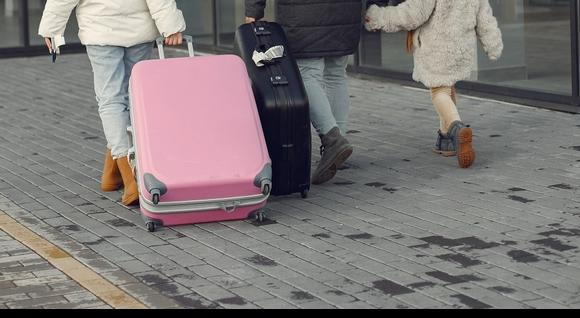
Airport terminals, security lines, and long walks between gates catch people by surprise. Add luggage pulling or heavy backpacks, and foot strain escalates quickly.
3. Dress Shoes & Boots
Many people wear stylish boots or heels for holiday gatherings. Fashion footwear often:
– Lacks arch support
– Has a rigid or narrow toe box
– Elevates the heel, shifting pressure onto the ball of the foot
– Allows the foot to slide, creating friction and forefoot pain
4. Standing for Long Periods While Cooking or Hosting
Standing in one place stresses the plantar fascia more than walking. Hard kitchen floors (tile or vinyl) further amplify heel and forefoot pressure.
Foot Problems That Often Flare in December
Plantar fasciitis
Achilles tendonitis
Metatarsalgia (ball-of-foot pain)
Neuromas
Arch fatigue
Ankle soreness from uneven or icy walking surfaces
What You Can Do To Prevent Holiday Foot Pain
Choose supportive footwear:
Opt for shoes with a firm heel counter, good arch support, and cushioning. Replace worn-out insoles.
Stretch daily:
Calf tightness is the #1 reason for holiday plantar fasciitis flare-ups. Stretching morning and evening can dramatically reduce symptoms.
Use the “2-shoe rule” during travel:
Bring one supportive walking shoe and one dress shoe. Wear the comfortable shoe until you arrive at the event.
Don’t ignore early symptoms:
Pain that persists for more than 7–10 days often needs a professional evaluation.