Understanding Metatarsalgia (Forefoot Pain): Causes, Symptoms, and Treatment
posted: Mar. 11, 2025.
Understanding Metatarsalgia (Forefoot Pain): Causes, Symptoms, and Treatment
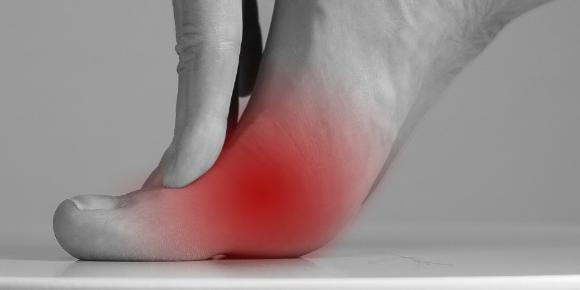
Metatarsalgia might sound like a villain from a superhero movie, but it’s actually a common condition that causes pain and inflammation in the ball of the foot, specifically around the metatarsal bones. This area, just behind the toes, takes the brunt of your body’s weight when you’re walking, running, or dancing (because we all love to pretend we’re in a music video). While it may not be an exciting superhero, it’s definitely a condition you’ll want to address before it keeps you from your daily routine.
Causes of Metatarsalgia
Several factors can contribute to metatarsalgia, including:
- Footwear: Wearing shoes that are too tight, too high, or that make your feet feel like they’re trapped in a vice isn’t doing you any favors. (Sorry, that cute pair of stilettos might need to take a break.)
- Overuse: If you’re training for a marathon or running after toddlers, repetitive stress on your feet could lead to metatarsalgia. Let’s face it, your feet are working overtime!
- Foot Shape: If your feet are flatter than a pancake or have high arches that could rival the Grand Canyon, it might be time to get your feet evaluated.
- Injury: Sometimes, an accident or misstep can result in pain in the ball of your foot. So, no, that trip over your own shoelaces wasn’t your foot’s idea of a good time.
Symptoms
Common symptoms of metatarsalgia include:
- Sharp or burning pain in the ball of the foot (feels like someone’s poking you with a hot stick, right?)
- Swelling and inflammation (because your foot likes to throw a little party of its own)
- Pain that worsens when standing or walking (nothing says “stop” like a good old-fashioned ache)
- A feeling of having a stone or pebble in your shoe (that’s not a fashion accessory, that’s your foot talking)
Treatment Options
Treatment for metatarsalgia depends on the severity of the condition, but typically includes:
- Rest: Give your feet some downtime. They're the unsung heroes of your daily life, after all!
- Ice: Applying ice packs can reduce swelling and numb the pain (because who doesn’t love a good ice pack moment?).
- Footwear Modifications: Wear shoes with a wide toe box and good arch support. You might need to retire those pointy shoes for a while, but your feet will thank you.
- Orthotics: Custom insoles can help redistribute weight and reduce strain on your feet (think of them as your foot’s personal masseuse).
- Anti-inflammatory medications: A little help from NSAIDs can ease the pain, but don’t overdo it—you don’t want to become besties with your painkillers.
In most cases, metatarsalgia can be managed effectively with conservative treatments. But if the pain persists, don’t wait for a miracle. Sometimes, even your feet need a little professional help.
If you're experiencing persistent foot pain, it’s time to see a podiatrist. For expert care with a touch of humor and heart, consider visiting Dr. Amanda Matz, a trusted podiatrist located in Auburn, California. She’ll help get your feet back to their best self—without the drama!